
Pet Skin Care’ and dental hygiene routine
Proper nutrition and a great bed are essentials, but true pet wellness is skin-deep—literally. A healthy skin and coat are your pet’s first line of defense against the environment, and their mouth is the gateway to their overall health. Neglecting these areas is a common mistake that can lead to discomfort, skin infections, and even serious internal issues. Here’s your guide to a complete ‘Pet Skin Care’ and dental hygiene routine.

The Golden Rule: Regular Brushing
Brushing is not just for looks; it’s a vital health practice. For all pets, it distributes natural oils, removes loose fur (hello, daily shedding!), and massages the skin.
Pro-Tip: Match the brush to the coat type (a slicker brush for long hair, a rubber curry brush for short coats).
Why it matters: It prevents mats (which can trap heat and bacteria) and lets you spot any ticks, fleas, or unusual lumps early.
Our services
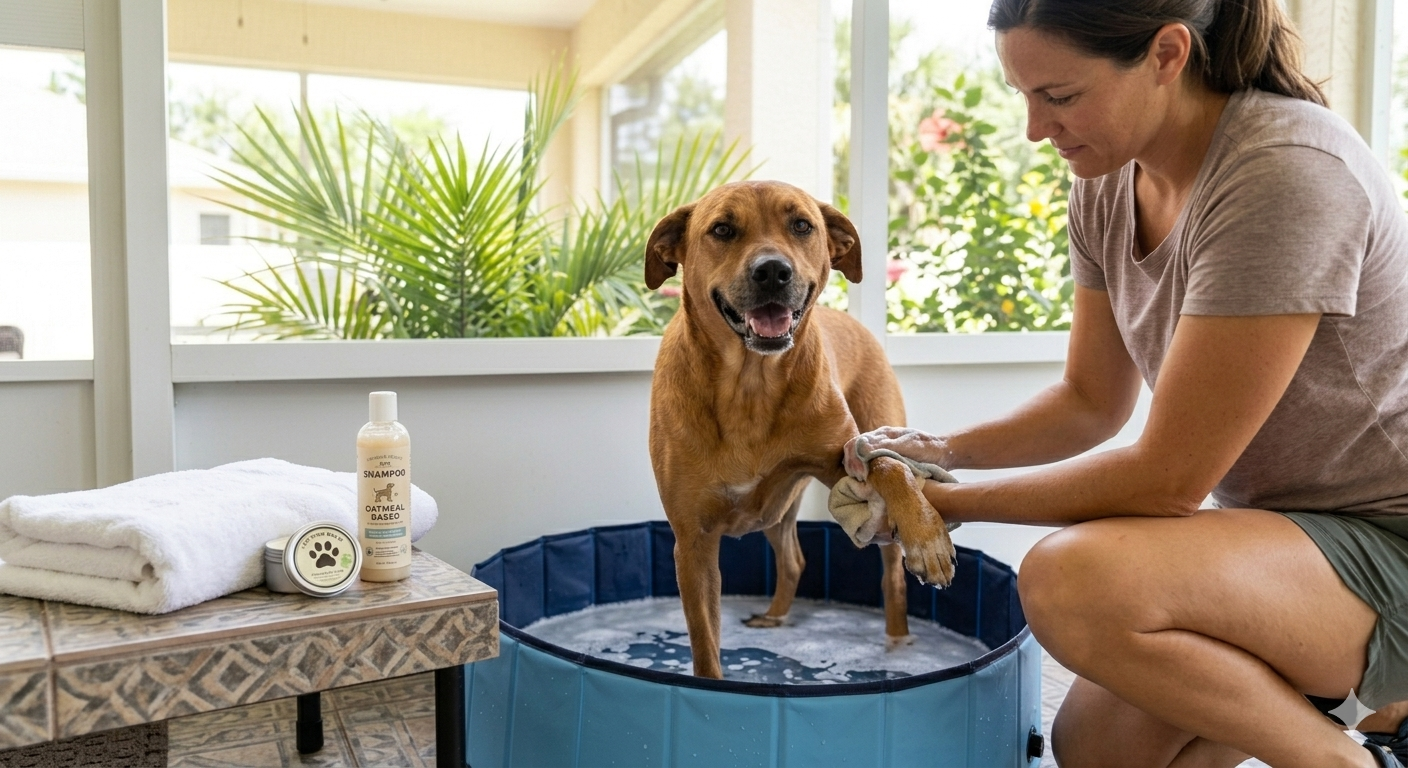
Bathing and Paw Care
Active paws are happy paws, but they need proper cleanup.
- How often: For most dogs, a bath once a month with a pet-specific, soap-free shampoo is enough. Over-bathing can dry out their skin.
- Paw Patrol: After walks through natural paths or city streets, always wipe their paws. This removes common environmental allergens like pollen, as well as dirt and bacteria that can lead to irritation.
- The Sniff Test: Don’t forget to check their ears weekly. If they smell like yeast or look red, consult your vet immediately.
Wellness Tip: For active pets, consider a soothing paw balm to prevent cracked pads in the dry season and protect against hot pavement in the summer.
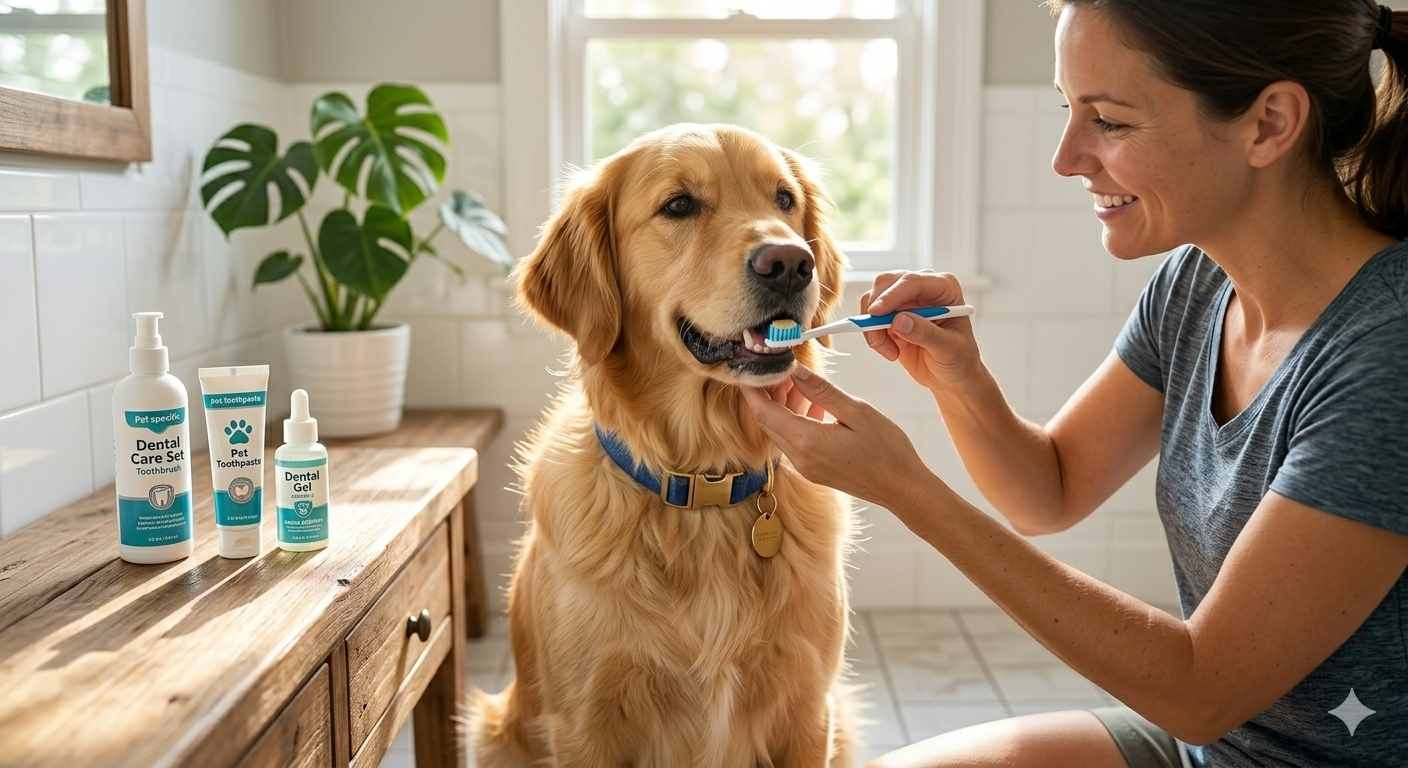
The Importance of a Bright Smile
Dental care is often the most overlooked aspect of pet health, yet over 80% of dogs and 70% of cats show signs of dental disease by age three. Tartar isn’t just cosmetic; the bacteria from periodontal disease can enter the bloodstream and damage their heart, kidneys, and liver.
Make Brushing a Habit
It’s true—nothing replaces manual brushing. It can seem daunting, but starting slowly is key.
Why it matters: Brushing removes plaque before it can harden into tartar, which can only be removed by a vet.
The Technique: Use a pet-specific toothbrush and toothpaste (human toothpaste is toxic to them). Aim for at least 3 times a week.
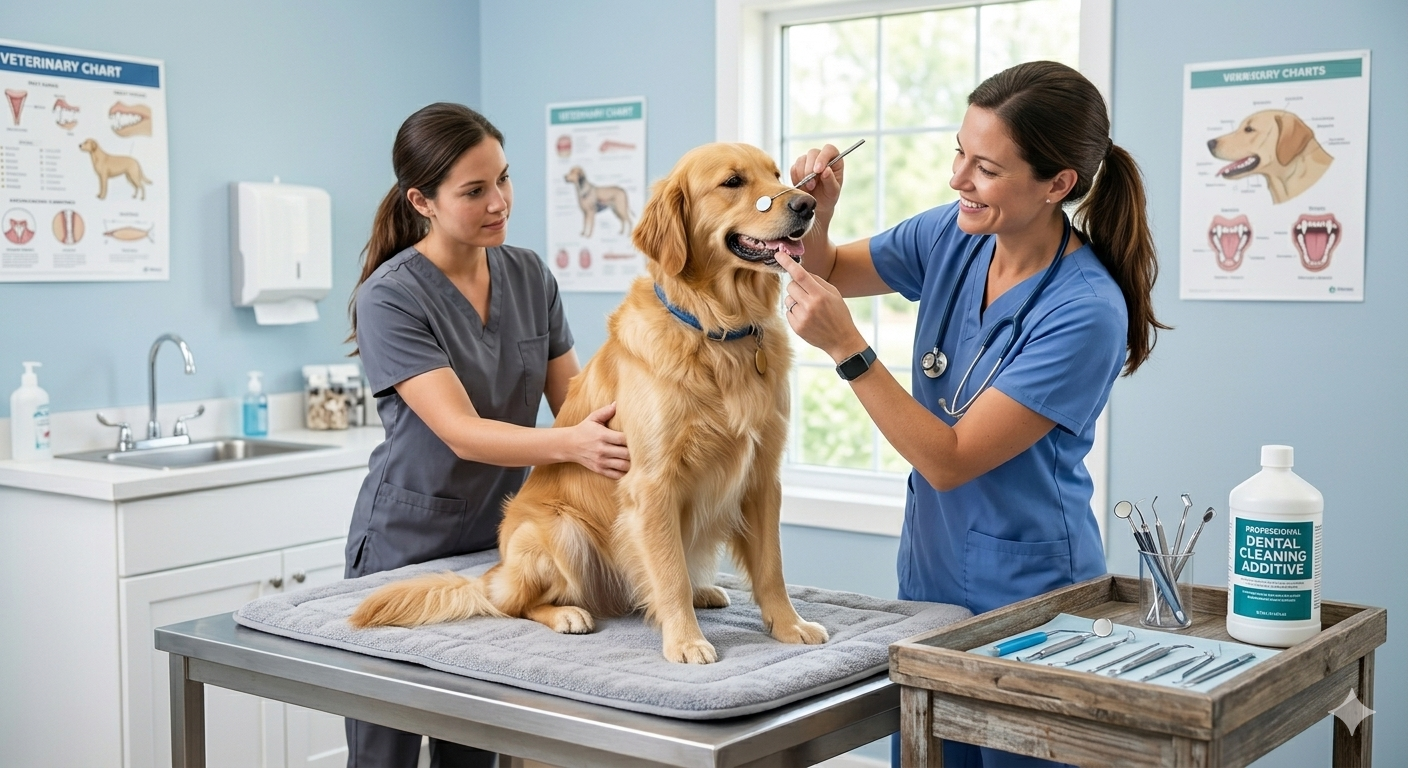
Smart Dental Supports
While brushing is the gold standard, you can support their dental health daily.
- Dental Chews & Toys: Look for chews or toys specifically designed with rough textures to help “scrub” plaque. Always supervise dental chews, as they can be a choking hazard.
- Water Additives & Gels: Speak to your vet about dental gels or safe water additives that use enzymes to combat plaque and tartar.
The Professional Advice: Even with perfect home care, schedule annual professional dental cleanings with your veterinarian. Think of it as their ‘deep cleaning’ to protect their internal organs from harmful bacteria.